mau recenzis Slaughterhouse-Five de Kurt Vonnegut
Honest, painful, funny
5 steloj
I'm glad I read it, it's incredibly well written, original, painful, funny and insightful.
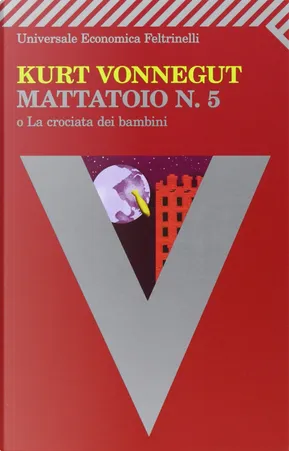
Poŝlibro, 196 paĝoj
Lingvo: Italian
Eldonita je 18-a de aŭgusto 2005
Slaughterhouse-Five, also known as The Children's Crusade: A Duty-Dance with Death is a science fiction infused anti-war novel by Kurt Vonnegut, first published in 1969. It follows the life and experiences of Billy Pilgrim, from his early years to his time as an American soldier and chaplain's assistant during World War II, to the post-war years, with Billy occasionally traveling through time. The text centers on Billy's capture by the German Army and his survival of the Allied firebombing of Dresden as a prisoner of war, an experience which Vonnegut himself lived through as an American serviceman. The work has been called an example of "unmatched moral clarity" and "one of the most enduring antiwar novels of all time".
I'm glad I read it, it's incredibly well written, original, painful, funny and insightful.
Con Mattatoio n. 5 Vonnegut si aggiunge alla schiera di autorə che hanno cercato di raccontare l’inenarrabile: l’orrore della guerra. Vonnegut è da subito sincero: da testimone diretto del bombardamento di Dresda durante la Seconda Guerra Mondiale – bombardamento che provocò la distruzione di gran parte della città e la morte di migliaia di persone – sa che non c’è molto da dire su un massacro. È la fine di un enorme numero di persone per le quali non è possibile più fare nulla, se non tacere. A che servirebbero, infatti, le parole?
E allora perché Vonnegut alla fine il suo romanzo su Dresda lo ha scritto? Perché, se secondo lui le guerre continueranno a scoppiare e a seminare morte e distruzione, sforzarsi tanto di trovare una forma letteraria per raccontare il massacro di lui è stato testimone? E perché ha deciso di farlo tramite un personaggio che viaggia nel …
Con Mattatoio n. 5 Vonnegut si aggiunge alla schiera di autorə che hanno cercato di raccontare l’inenarrabile: l’orrore della guerra. Vonnegut è da subito sincero: da testimone diretto del bombardamento di Dresda durante la Seconda Guerra Mondiale – bombardamento che provocò la distruzione di gran parte della città e la morte di migliaia di persone – sa che non c’è molto da dire su un massacro. È la fine di un enorme numero di persone per le quali non è possibile più fare nulla, se non tacere. A che servirebbero, infatti, le parole?
E allora perché Vonnegut alla fine il suo romanzo su Dresda lo ha scritto? Perché, se secondo lui le guerre continueranno a scoppiare e a seminare morte e distruzione, sforzarsi tanto di trovare una forma letteraria per raccontare il massacro di lui è stato testimone? E perché ha deciso di farlo tramite un personaggio che viaggia nel tempo suo malgrado e che attraversa gli anni della guerra perso nello stupore della catastrofe in corso?
Perché Vonnegut ha ceduto all’umana debolezza di voltarsi per vedere tutte le persone rimaste uccise in quel massacro. Non ha potuto andare avanti come se niente fosse successo, perché è successo e, anche se Vonnegut non aveva il potere di impedire che accadesse e nemmeno quello di impedire che accada di nuovo, ha voluto comunque lasciare un libro che togliesse alla guerra quella patina luccicante di eroismo e grandiosità che assume per colpa della propaganda e che è molto lontana dalla realtà. Cosa c’è di eroico nel mandare in guerra deə ragazzə le cui uniche preoccupazioni fino al giorno prima erano gli esami all’università, dove portare ə fidanzatə a cena e a quale offerta di lavoro mandare l’ennesimo curriculum?
Vonnegut ci mostra la guerra dal punto di vista di un uomo che grazie ai viaggi nel tempo sa che sopravvivrà e sa anche che i mai più sono falsi, perché così va la vita e non non possiamo farci niente, tranne forse attenerci alle raccomandazioni dell’autore:
Ho detto ai miei figli che non devono, in nessuna circostanza, partecipare a un massacro, e che le notizie di massacri compiuti tra i nemici non devono riempirli di soddisfazione o di gioia.

Ho anche detto loro di non lavorare per società che fabbricano congegni in grado di provocare massacri, e di esprimere il loro disprezzo per chi pensa che congegni del genere siano necessari.
I think the only reason for this book's popularity was the Vietnam war. The book is poorly structured and wastes a lot of time to say "it's all pointless."
The thing is: use nihilism for good, Kurt.
It's a little embarrassing to confess that I'd never read Vonnegut. That's not true. I read Harrison Bergeron in some sort of enrichment reader in 6th grade. I thought that was pretty great, and the only story I remember fondly from that age outside of an Edgar Allen Poe collection that I probably read until the cover came off, and then read again. Somehow I always expected this book to be some kind of hippie acid trip because the people I knew growing up who read it had black light posters and blew smoke into their iguanas' faces to give them a contact high. I did not expect the book to be about WWII, to play with time the way it did, or to make me cry, not for anything in particular, but just a little catharsis for a moment after the book was finished. The book is lively and …
It's a little embarrassing to confess that I'd never read Vonnegut. That's not true. I read Harrison Bergeron in some sort of enrichment reader in 6th grade. I thought that was pretty great, and the only story I remember fondly from that age outside of an Edgar Allen Poe collection that I probably read until the cover came off, and then read again. Somehow I always expected this book to be some kind of hippie acid trip because the people I knew growing up who read it had black light posters and blew smoke into their iguanas' faces to give them a contact high. I did not expect the book to be about WWII, to play with time the way it did, or to make me cry, not for anything in particular, but just a little catharsis for a moment after the book was finished. The book is lively and readable, and feels at all points as though you've read it before, but can still be utterly disarming, especially when humor gives way to Vonnegut's most humane or damning observations.
I liked how Vonnegut manages to tell a poignant war story in a gentle way, without any attempt to glorify anything or anyone. I guess this became a classic because it makes people reflect on their values and their approach to life. And maybe even prompt them to question their own views. To do the above through a novel in a gentle way is the accomplishment of this book.
This is my first Vonnegut novel. When I was reading it, I was surprised how much Douglas Adams' (Hitchhiker's Guide to the Galaxy) style was influenced by Vonnegut.